
generator installation Orange County
Home > Electrical / Generator Installation
Standby and portable generator installation for Orange County homes, wired safely with a proper transfer switch.
Similar Services
Schedule Your Generator Installation
Other Services
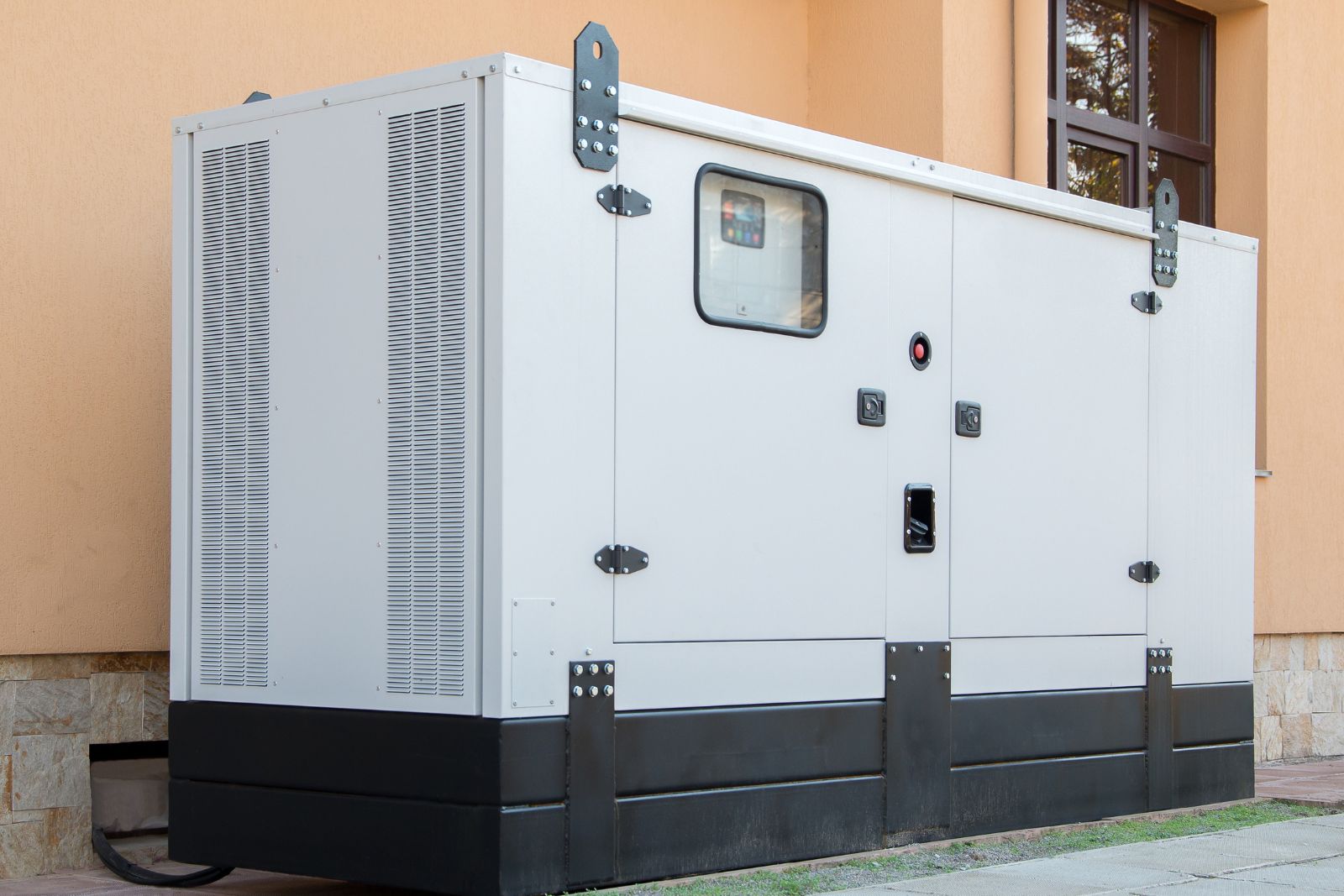
Generator Installation
Hana Hou Home installs standby generators and approved transfer equipment for portable generators at Orange County homes. Our electrical team evaluates the loads you want available during an outage, panel and transfer-equipment compatibility, placement, fuel requirements and local permit needs before providing an upfront written price.
A generator without a proper transfer switch isn’t a safety shortcut, it’s a code violation and a real hazard.
For a standby system, we size the generator to your actual electrical load, run the gas or propane connection alongside our plumbing team where needed, and install an automatic transfer switch that safely isolates your home from the grid during an outage. For a portable setup, we install an interlock or manual transfer switch so it can be connected safely without backfeeding. Every generator installation is pulled under permit and inspected.
Standby vs. Portable: Which Fits Your Home
Both options work. The right one depends on your priorities.
- A standby generator switches on automatically and can power most or all of the home
- A portable generator costs less upfront but requires manual setup during each outage
- Standby systems typically run on natural gas or propane rather than gasoline you have to store
- Either option requires a proper transfer switch, never a direct backfeed connection
We’ll walk through the real tradeoffs based on your home rather than push one option.
A generator installed without proper transfer switching is a genuine safety hazard, not just a code technicality, which is why every installation we do includes the correct switching hardware and a permit inspection. Every job comes with our 30-day Encore Promise. Related reading: see our generator transfer switch guide for Lake Forest.
Why Choose Hana Hou Home
Proper Transfer Switching
Every installation includes correct switching hardware, never a direct backfeed.
Sized to Your Actual Load
Standby systems are sized to what you actually want powered, not a generic unit.
30-Day Encore Promise
If the same issue returns within 30 days, we come back at no charge.

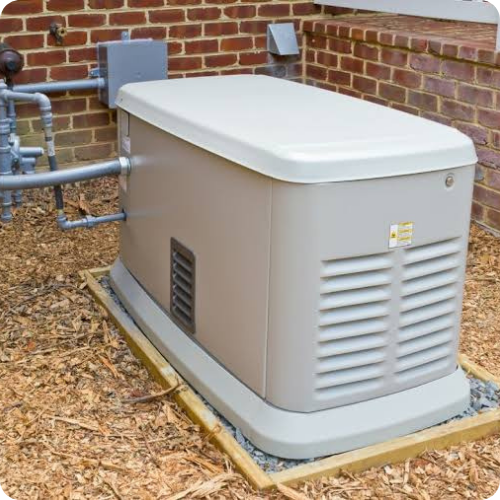
Standby Generator Installation
Automatic Power During an Outage
A permanently installed standby generator switches on automatically when the power goes out, sized to power as much of your home as you need.
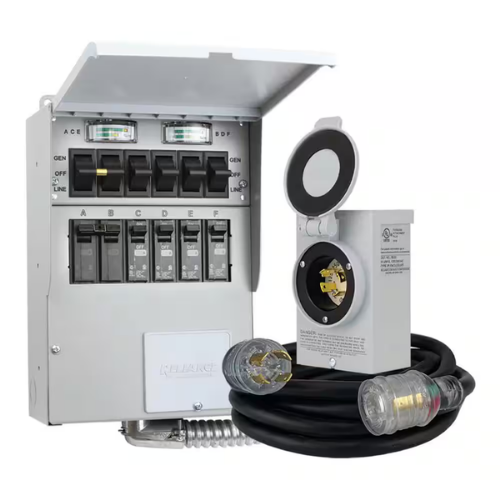
Portable Generator Transfer Switches
Safe Connection, Every Time
An interlock or manual transfer switch lets a portable generator connect safely without the risk of backfeeding power into the grid.
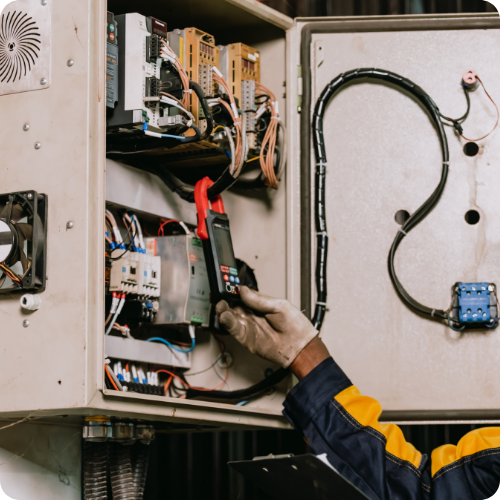
Panel Compatibility Check
Confirmed Before Installation Day
We confirm your panel can properly support the transfer switch and generator connection as part of every quote. See our panel upgrades page if capacity is a concern.
Frequently Asked Questions
How do I request a generator installation quote from Hana Hou Home?
Connecting a generator without a propCall (949) 876-5022 or use the online service request. Before the visit, list the appliances and systems you want available during an outage, whether automatic operation matters, available fuel sources and where outdoor equipment might be located. Mention medical, refrigeration, sump-pump, HVAC or home-office loads that are priorities. The evaluation should cover load sizing, panel and transfer-equipment compatibility, generator placement, fuel requirements, permits and the complete written price before work is authorized.er transfer switch risks backfeeding power into the grid, which is dangerous for utility workers and a code violation. A transfer switch safely isolates your home’s wiring from the grid during use.
What maintenance does a standby generator need after installation?
Standby generators require maintenance according to the manufacturer’s schedule, which may include exercise-cycle checks, oil and filter service, battery inspection, fuel-system review and testing of transfer operation. The exact interval depends on the model, operating hours and environment. Homeowners should keep the unit’s intake and exhaust areas clear and retain service records for warranty purposes. Ask whether Hana Hou Home performs ongoing generator maintenance, what is included and who handles manufacturer warranty claims. The 30-Day Encore Promise is separate from long-term manufacturer and labor coverage; review the published promise.
Can my existing electrical panel support a generator?
Many existing panels can support properly selected transfer equipment, but compatibility must be evaluated rather than assumed. The electrician should inspect the panel model and condition, available spaces, service rating, grounding and bonding, selected backup loads and the transfer or interlock equipment approved for that panel. A panel upgrade is not automatically required merely because the panel is older or physically full. If changes are recommended, ask whether the concern is condition, capacity, equipment compatibility or space. Hana Hou Home provides both generator installation and panel upgrade evaluations.
Can Hana Hou Home coordinate the gas or propane connection for a standby generator?
Hana Hou Home states that its electrical and plumbing teams can coordinate generator electrical work with a required natural-gas or propane connection. The final scope still depends on available fuel capacity, pipe sizing, regulator requirements, generator specifications, placement and permits. Homeowners should request one written proposal that identifies which team performs each portion and whether trenching, meter changes, propane storage or utility coordination is excluded. Related fuel work should be completed only after the generator model and load have been selected. Review the company’s broader gas-line service.
Does every generator installation require a permit and inspection?
Permit and inspection requirements depend on the installation type, property address, fuel work and local authority having jurisdiction. Permanently connected standby generators and new transfer equipment commonly require electrical permits, and fuel connections or equipment placement may involve additional review. The website should not substitute a single countywide rule for the requirements of each city. Before work begins, ask who will confirm permits, submit plans, arrange inspections and provide final documentation. Hana Hou Home can verify requirements for properties within its Orange County service area.
How much does generator installation cost in Orange County?
Generator installation cost depends on generator output, standby versus portable equipment, transfer-switch type, panel configuration, wire and conduit routing, fuel connection, site preparation, permits and the loads being backed up. A permanent standby project generally has a broader scope than installing approved transfer equipment for a portable generator. The final price should follow an on-site assessment rather than a generic phone estimate. Hana Hou Home states that homeowners receive an upfront price before approved work begins. Check current service offers or request a generator evaluation.
How is the correct generator size calculated for an Orange County home?
Generator size should be based on the actual equipment the homeowner wants to operate, including both running load and the starting demand of motors such as air conditioners, pumps or refrigerators. Whole-home operation requires a different calculation than backing up lighting, refrigeration, internet and a few receptacles. Fuel type, load-management controls and future additions also affect the recommendation. Hana Hou Home should document the selected loads and explain whether automatic load shedding is included. Panel compatibility can be evaluated alongside the electrical panel service.
How far should a portable generator be from the house?
Portable generators must be operated outdoors, never inside a home, garage, shed, crawlspace or other enclosed or partly enclosed location. The U.S. Consumer Product Safety Commission advises keeping a portable generator at least 20 feet from doors, windows and vents, with exhaust directed away from occupied structures. Opening a garage door or window does not make indoor operation safe. Homes using generators should have working carbon-monoxide alarms. Always follow the generator manufacturer’s placement, weather and fuel instructions in addition to local rules.
Why does a home generator need a transfer switch or approved interlock?
Transfer equipment prevents the generator and utility supply from energizing the home at the same time. Without approved isolation, electricity can backfeed onto utility lines and create an electrocution hazard for utility workers, neighbors and occupants. A wall-outlet “backfeed” connection should never be used. The correct automatic transfer switch, manual transfer switch or listed interlock depends on the generator, panel and intended loads. A licensed electrician should evaluate compatibility and local requirements. Learn more from Hana Hou Home’s generator transfer switch guide.
What is the difference between a standby generator and a portable generator?
A standby generator is permanently installed outside, connected to an approved fuel source and paired with an automatic transfer switch that can restore selected loads after an outage. A portable generator must be moved outdoors, started manually and connected through approved transfer equipment or directly to suitable appliances as the manufacturer allows. Portable equipment usually costs less initially, while standby equipment offers automatic operation and greater convenience. The right choice depends on essential loads, desired runtime, fuel availability, site conditions and budget. Hana Hou Home explains both options through its generator installation service.